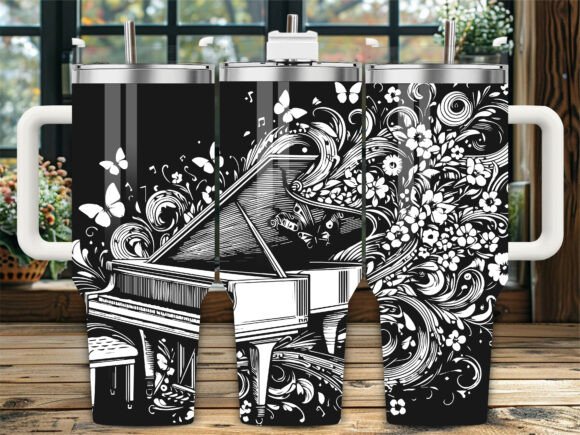
Piano Harmony Embroidery Design Review
First Impressions of Piano Harmony
When I first opened the Piano Harmony design file, I was immediately drawn to its elegant composition and subtle sophistication. The design feels like a gentle melody—calm, refined, and perfect for projects that demand a touch of class. It’s not overly busy or garish; instead, it has a clean, flowing layout that suggests music, elegance, and artistry.
The visual personality of Piano Harmony leans toward the minimalist yet detailed. It features soft curves and delicate lines that evoke the feel of musical notes and piano keys. This makes it ideal for handmade products that need a touch of refinement without overwhelming the fabric or the viewer.
Real-Life Scenario: Custom Embroidered Tote Bag
I decided to test Piano Harmony on a custom embroidered tote bag—a popular item among Etsy sellers and small shop owners. The goal was to see how the design would translate from screen to fabric, especially on a larger surface.
After downloading the SVG, EPS, PDF, PNG files, I loaded the design into my embroidery software and adjusted the hoop size. Since this is a machine embroidery design, I made sure the stitch density was balanced and that no areas were too packed with detail. The design worked well on a 6x8 hoop, but I noticed that smaller hoops might lose some of the subtlety in the lines.
When stitched out, Piano Harmony looked beautiful on a light-colored cotton tote. The smooth flow of the design complemented the fabric texture, and the stitching was clean and professional. However, when I tried it on a darker fabric, the contrast wasn’t as strong, so I recommend using thread colors that stand out against the background.
Performance in Real Embroidery Situations
Piano Harmony shines in a variety of embroidery project types. Here are a few examples:
- Custom Apparel: Perfect for sweatshirts, t-shirts, and caps where a subtle, elegant motif adds value without overpowering the garment.
- Baby Items: Ideal for baby clothes, nursery decor, and pillow covers where soft, artistic details are appreciated.
- Gifts and Personalized Products: Great for holiday gifts, wedding gifts, and personalized products that require a unique, memorable touch.
- Commercial Use: Suitable for craft business items, small shop product lines, and even printable mockups for digital product previews.
It also works well as an embroidered patch or apron decoration, especially if you’re aiming for a boutique or handmade aesthetic.
Where to Use with Caution
While Piano Harmony is versatile, there are certain scenarios where it may require extra attention:
- Small Hoop Sizes: The design may lose some of its detail and clarity if used on very small hoops.
- Dark Fabrics: As mentioned earlier, dark fabrics may require careful selection of thread colors to maintain visibility.
- Stretchy or Textured Fabrics: These can affect the appearance of the stitching, especially in areas with fine lines.
- Curved Surfaces: Items like caps or mugs may challenge the precision of the design, particularly around corners or edges.
To ensure the best results, always test the design on scrap fabric before committing to a final project. Check stitch density, review thread color contrast, and use proper stabilizer to prevent shifting or puckering.
Visual Appeal and Professionalism
Piano Harmony elevates the visual appeal of any project it's applied to. Its clean lines and elegant theme make it suitable for both personal and commercial embroidery projects. Whether you're creating a handmade product for your own collection or selling finished items on Etsy, this design adds a level of professionalism and thoughtfulness that customers appreciate.
It also contributes positively to brand consistency and buyer engagement. When used correctly, it helps establish a sense of quality and attention to detail that can set your work apart in a competitive market.
Embroidery Designer Notes
If you're considering using Piano Harmony in your next project, here are a few practical tips:
- Test on Scrap Fabric: Always do a test run to check how the design looks and stitches on your chosen material.
- Check Thread Color Contrast: Ensure the colors you choose provide good visibility against the fabric.
- Review Stitch Density: Adjust the stitch count if needed to avoid overcrowding or under-stitching.
- Confirm Hoop Size: Make sure your hoop is large enough to accommodate the full design without distortion.
- Inspect Small Details: Look closely at intricate parts of the design to ensure they remain clear after stitching.
- Use Proper Stabilizer: Especially important for stretchy or thin fabrics.
- Check Licensing: Before selling finished items or digital product versions, confirm the licensing terms.
Piano Harmony is a great addition to any design assets collection. It offers a balance between simplicity and detail that makes it adaptable to many embroidery projects. With the right preparation and care, it can be a valuable tool for crafters, apparel decorators, and anyone looking to add a touch of elegance to their handmade creations.